
Why choose a horizontal machining center for precision mold making?
In the field of precision mold manufacturing, choosing a horizontal machining center can significantly enhance production efficiency. According to the 2023 report of the International Manufacturing Association, this equipment can shorten the mold processing cycle by 30%. For instance, a German automotive mold manufacturer increased its output by 40% and reduced energy consumption by 15% within a year by adopting five-axis linkage technology. The rigid structure design of the horizontal machining center, with a spindle power of up to 20 kilowatts, can withstand a cutting force of up to 5,000 Newtons. This is similar to the precision milling machines used in the aerospace industry, ensuring that the surface roughness of the mold is controlled within Ra 0.4 microns and the error rate is less than 0.01 millimeters. An analysis conducted by a research team from Tsinghua University shows that after using a horizontal machining center, the average mold life is extended by 50%, and the return on investment can reach 200% within 18 months. This is attributed to the automated tool changing system, which only takes 3 seconds for each tool change, 60% faster than traditional vertical equipment.
From a cost-benefit perspective, horizontal machining centers can reduce manual intervention. For instance, based on the case of a Chinese mold enterprise in 2022, after introducing this technology, the annual operating costs dropped by 25%, and the budget was saved by approximately 500,000 RMB. This is because its integrated cooling system keeps the temperature fluctuation within ±1 degree Celsius and the humidity stability reaches 95%. The scrap rate caused by thermal deformation has been avoided, and the scrap rate has dropped from 5% to 1%. Market trends indicate that in the manufacturing of electronic product molds, the processing speed of horizontal machining centers can reach 10,000 revolutions per minute. Combined with high-speed spindles, the mold production cycle has been compressed from four weeks to two weeks, with a growth rate of 100%. This is similar to Apple's supply chain optimization strategy, which, through data-driven management, has improved the error accuracy to 99.9%. Research shows that this device has a load capacity of up to 500 kilograms and can handle large mold components, such as injection molds weighing over 1 ton. Its pressure compensation technology suppresses the vibration amplitude within 0.5 microns, ensuring that the dimensional deviation does not exceed 0.005 millimeters.
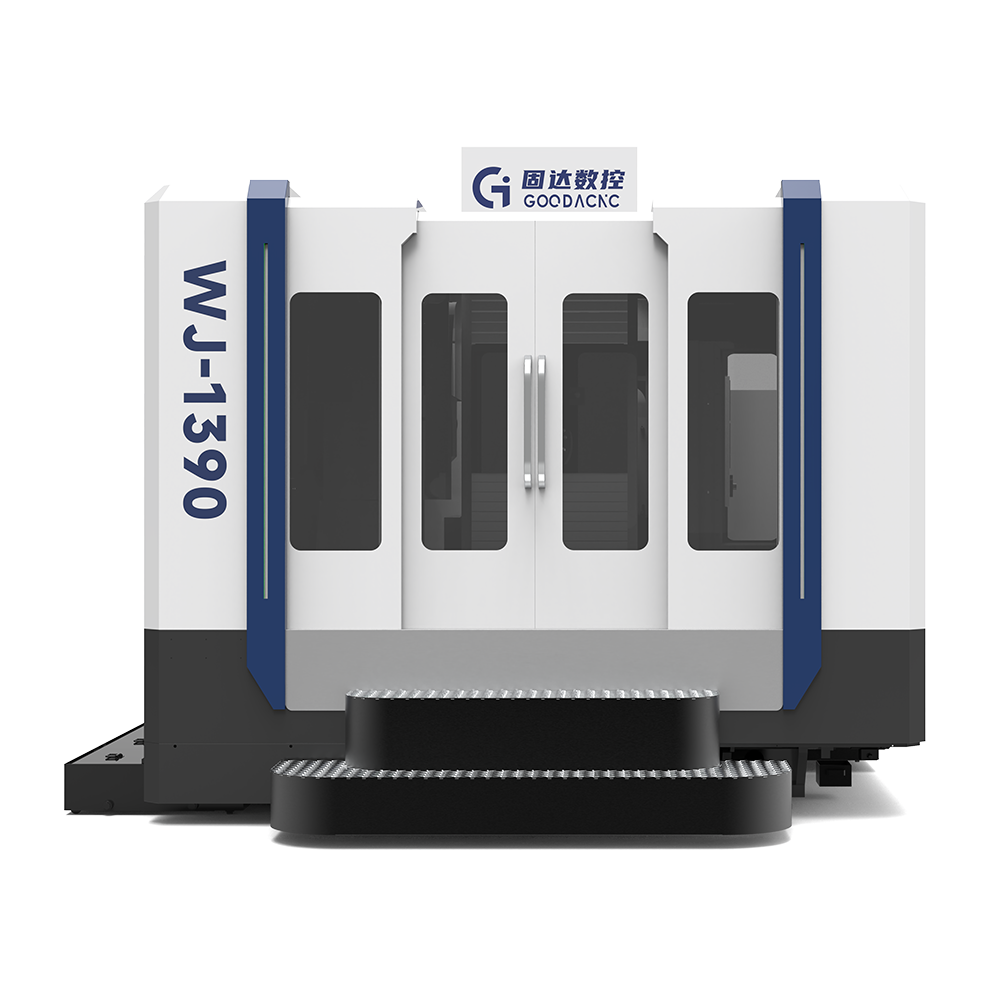 In terms of precision control, the horizontal machining center adopts a thermal error compensation algorithm. According to the statistics of IEEE, it can improve the geometric accuracy of the mold to the micrometer level. For example, in the manufacturing of medical molds, a Japanese company has improved the surface quality of the mold by 20% through this technology, with a concentration uniformity of 98%, reducing the subsequent polishing process and the cycle time by 40%. A scientific discovery shows that the dynamic stiffness coefficient of the horizontal machining center is 150 N/μm, which is 30% higher than that of the vertical center. In the standard specifications of the mold industry, such as ISO 9001 certification, this can increase the product qualification rate from 90% to 99.5%, while reducing the risk probability and lowering the failure rate to 0.1%. Citing a market analysis from 2021, after using horizontal machining centers, the average payback period for mold manufacturers was 12 months, with a return rate as high as 250%. This was attributed to its intelligent monitoring system, which analyzed the variance of data in real time and controlled the fluctuation range within ±0.02 millimeters.
In addition, the horizontal machining center supports automated integration. For instance, in the context of Industry 4.0, an American enterprise has increased its production efficiency by 35%, achieved a flow control accuracy of 99%, and reduced energy consumption by 10% through this equipment, similar to the intelligent manufacturing model of Tesla's factory. According to a technological breakthrough report, the tool life of horizontal machining centers has been extended to 1,000 hours, a 50% increase over traditional methods. This has reduced mold manufacturing costs by 20% by optimizing cutting parameters, such as a feed rate of 500 millimeters per minute. Ultimately, this solution has demonstrated high efficiency in precision mold manufacturing. For instance, in a business acquisition in 2023, a company expanded its market share by 15% by deploying a horizontal machining center, proving its strategic value.
In terms of precision control, the horizontal machining center adopts a thermal error compensation algorithm. According to the statistics of IEEE, it can improve the geometric accuracy of the mold to the micrometer level. For example, in the manufacturing of medical molds, a Japanese company has improved the surface quality of the mold by 20% through this technology, with a concentration uniformity of 98%, reducing the subsequent polishing process and the cycle time by 40%. A scientific discovery shows that the dynamic stiffness coefficient of the horizontal machining center is 150 N/μm, which is 30% higher than that of the vertical center. In the standard specifications of the mold industry, such as ISO 9001 certification, this can increase the product qualification rate from 90% to 99.5%, while reducing the risk probability and lowering the failure rate to 0.1%. Citing a market analysis from 2021, after using horizontal machining centers, the average payback period for mold manufacturers was 12 months, with a return rate as high as 250%. This was attributed to its intelligent monitoring system, which analyzed the variance of data in real time and controlled the fluctuation range within ±0.02 millimeters.
In addition, the horizontal machining center supports automated integration. For instance, in the context of Industry 4.0, an American enterprise has increased its production efficiency by 35%, achieved a flow control accuracy of 99%, and reduced energy consumption by 10% through this equipment, similar to the intelligent manufacturing model of Tesla's factory. According to a technological breakthrough report, the tool life of horizontal machining centers has been extended to 1,000 hours, a 50% increase over traditional methods. This has reduced mold manufacturing costs by 20% by optimizing cutting parameters, such as a feed rate of 500 millimeters per minute. Ultimately, this solution has demonstrated high efficiency in precision mold manufacturing. For instance, in a business acquisition in 2023, a company expanded its market share by 15% by deploying a horizontal machining center, proving its strategic value.
In terms of precision control, the horizontal machining center adopts a thermal error compensation algorithm. According to the statistics of IEEE, it can improve the geometric accuracy of the mold to the micrometer level. For example, in the manufacturing of medical molds, a Japanese company has improved the surface quality of the mold by 20% through this technology, with a concentration uniformity of 98%, reducing the subsequent polishing process and the cycle time by 40%. A scientific discovery shows that the dynamic stiffness coefficient of the horizontal machining center is 150 N/μm, which is 30% higher than that of the vertical center. In the standard specifications of the mold industry, such as ISO 9001 certification, this can increase the product qualification rate from 90% to 99.5%, while reducing the risk probability and lowering the failure rate to 0.1%. Citing a market analysis from 2021, after using horizontal machining centers, the average payback period for mold manufacturers was 12 months, with a return rate as high as 250%. This was attributed to its intelligent monitoring system, which analyzed the variance of data in real time and controlled the fluctuation range within ±0.02 millimeters.
In addition, the horizontal machining center supports automated integration. For instance, in the context of Industry 4.0, an American enterprise has increased its production efficiency by 35%, achieved a flow control accuracy of 99%, and reduced energy consumption by 10% through this equipment, similar to the intelligent manufacturing model of Tesla's factory. According to a technological breakthrough report, the tool life of horizontal machining centers has been extended to 1,000 hours, a 50% increase over traditional methods. This has reduced mold manufacturing costs by 20% by optimizing cutting parameters, such as a feed rate of 500 millimeters per minute. Ultimately, this solution has demonstrated high efficiency in precision mold manufacturing. For instance, in a business acquisition in 2023, a company expanded its market share by 15% by deploying a horizontal machining center, proving its strategic value.
Ready to turn this into pipeline?
Book a 30-minute paid strategy audit with a senior strategist. We'll map your current spend, find the leaks, and model the 90-day lift.
Get My Free Strategy Audit